Top 5 Hidden Defects You Can Only Find with a VIN Code
Why a Visual Inspection of a Car is Often Deceptive
The modern used car market has become a true art of disguise. Professional flipped-car dealers and unscrupulous dealerships can turn a car after a total crash or with a mileage of half a million kilometers into a shiny "mint condition" vehicle. Fresh paint, professional detailing, a re-stitched steering wheel, and chemical interior cleaning can easily deceive even an experienced driver.
However, no cosmetic repair can erase records from official digital registries, insurance companies, and technical inspection databases. The only way to find out the truth about a car's past is a deep VIN code check. Let's look at the five most dangerous hidden defects that cannot be seen with the naked eye but are easily detected using the vehicle's serial number.
1. Rolled-Back Odometer: A Classic Automotive Fraud
Adjusting odometer readings is the most popular way to artificially inflate a vehicle's value. By reducing the real mileage by 100,000–200,000 kilometers, sellers make thousands of dollars out of thin air. Modern equipment allows scammers to "clean up" data not only on the dashboard but also in certain electronic control units of the vehicle.
Why is this dangerous? You buy a car counting on the remaining resource of the engine and gearbox, but in reality, you get a worn-out machine that requires an expensive overhaul. A VIN code check shows the mileage history throughout the vehicle's lifespan: data is recorded during every technical inspection, official dealer visit, registration action, or insurance accident claim. Any drops in numbers immediately become obvious.
2. Major Accident History and "Salvage Title" Status
A huge number of cars imported from US or European auctions have been in accidents. A minor scratch or a replaced bumper itself is not critical. However, cars restored after total destruction—so-called "structural" accidents—often appear on the market.
In VIN code reports, such cars often receive a "Salvage Title" (a certificate for scrap/rebuilding). This means that the cost of repair in the country of origin exceeded the market value of the car, and the insurance company declared its restoration impractical. Low-quality repair of such machines violates the factory structural rigidity of the body. In the event of a subsequent accident, deformation zones and airbags simply will not work properly, posing a direct threat to the passengers' lives.
3. Hidden "Flooders": A Ticking Time Bomb
Cars damaged by floods, hurricanes, or prolonged submersion in water are a future owner's worst nightmare. After thorough drying and interior ozonation, the damp smell disappears, and no visual traces of water remain at all.
The main problem with flooded cars is the electrical and electronic systems. Water penetrates the smallest connectors, causing hidden wiring corrosion and oxidation of circuit boards and control units. The car may work perfectly at the time of purchase, but within a month, its ABS systems, ESP units, climate control, or airbags will start failing without reason. With a VIN code, you can clearly see if the vehicle was in a natural disaster zone and whether the insurance company recorded water damage.
4. Used as a Taxi or Commercial Lease Vehicle
Cars after working in taxi services or car-sharing are often sold under the guise of a "family car driven only on weekends." Externally, such a car can look great because before the sale, it is completely polished, and worn interior elements are replaced.
However, the technical condition of such transport is critical. Continuous engine idling, hundreds of start cycles per day, and harsh operation by different drivers lead to colossal wear on the transmission and suspension. Checking the history by VIN code allows you to find out the type of vehicle registration. If its biography includes a record of usage by a legal entity with a passenger transportation license, you will know instantly.
5. Hidden Legal Liens and Financial Obligations
This defect is not related to the technical condition, but it can completely deprive you of your purchased property. If a car is under arrest, serves as collateral for an unpaid loan, or is involved in court proceedings, you will not be able to legally register it under your name.
Moreover, if a bank or bailiffs start the property recovery procedure from the previous owner, such a car can be legally confiscated at the very first police checkpoint, even if you paid full price for it. The VIN code gives access to encumbrance registries of movable property, ensuring the legal purity of the future deal.
Conclusion: A Digital Portfolio as a Safety Guarantee
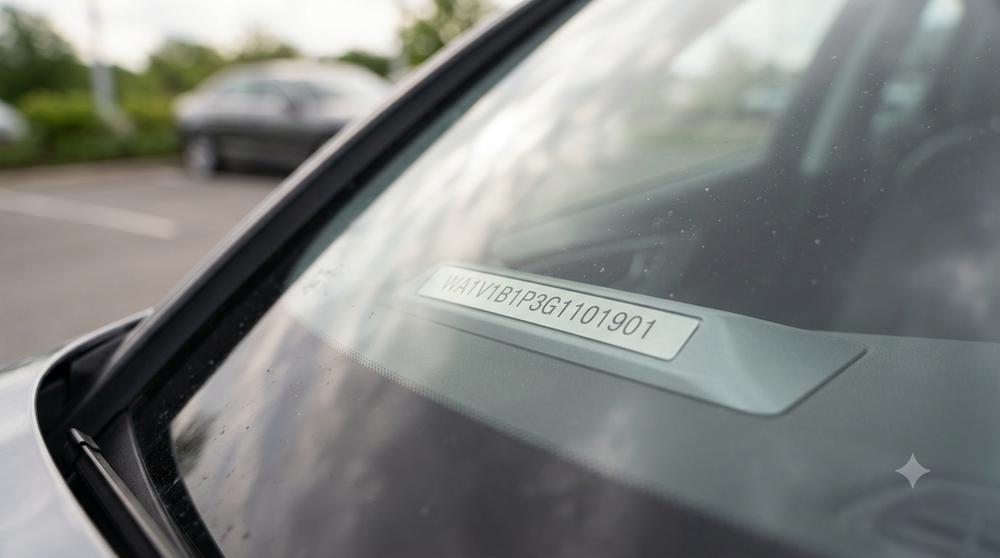
Visual inspection and a test drive are important stages in choosing a car, but they provide only 20% of the information. The true history of a car is always encrypted in its unique 17-character number. Creating a digital vehicle portfolio on the carfolio.vin service and checking the history thoroughly before buying is your only reliable way to invest money in a safe and liquid car, rather than someone else's problems.